- Understanding motorhome waste systems
- Grey water disposal – the basics
- Black water disposal
- A brief step-by-step guide to the safe disposal of black water
- Chemical use and environmental choices
- Fresh water refill and safe storage
- Legal regulations (updated for 2025)
- Best practices and behavioural tips
- Motorhome waste disposal - The bigger picture
Blog
How do I dispose of waste and water when living in a motorhome
By Wayne Kavanagh Posted: 21/05/25 (Last updated 12 months ago)
Contents
One of the most important responsibilities in your motorhome life is the proper management of waste and wastewater. Whether you’re a weekend explorer or living full-time in your motorhome, understanding how to dispose of waste legally, hygienically and sustainably is absolutely vital for avoiding unpleasant mishaps, preserving the environment and avoiding fines. This edition of the Chelston blog contains our comprehensive 2025 guide to the practicalities of motorhome waste disposal, including grey water and black water – plus the best practices based on UK regulations.
Before delving into the disposal process, it’s important to understand the different types of waste your motorhome generates. Motorhomes are equipped with storage tanks for both types of waste, which must be regularly emptied at designated facilities to avoid overflow, odour issues, and contamination.
- Grey water: This type of water waste comes from sinks and showers in the bathroom, and from washing-up in the kitchen sink. It is, essentially, any used water except the wastewater from the toilet.
- Black water: This is sewage waste from your cassette or chemical toilet. It contains human waste and requires stringent disposal methods.
Grey water disposal in a motorhome must always be undertaken in accordance with the UK’s environmental standards. Although grey water is ‘less dirty’ than black water, it can still contain food particles, grease, soap residues and bacteria. There are various places you can legally dispose of grey water.
- Campsites and caravan parks: Most campsites provide clear grey water disposal points, which are usually marked with signs and drain access. These facilities are designed to handle minor contaminants in the water and they’re your safest bet.
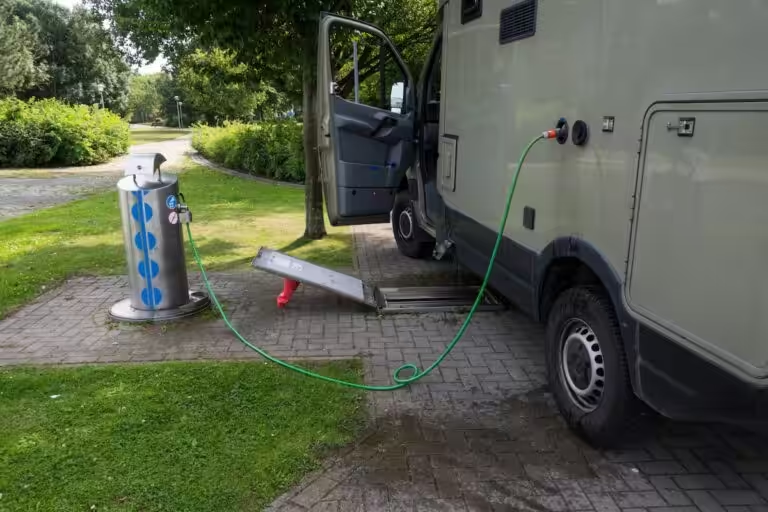
- Motorhome Service Points: Found across the UK, especially near popular travel routes and towns, MSPs are often run by councils or private landowners. They include disposal points, freshwater refill taps and refuse bins.
- Aires and designated lay-bys (in Scotland & select areas): Some regions in Scotland, Wales and the North of England have installed aires-style stopovers, with basic grey water drainage. It’s always advisable to check signage or council websites beforehand.
- Council tips / recycling centres: Although there is generally limited access, a few waste recycling centres allow access for larger vehicles and provide drain facilities for grey water. Check local authority rules, as many require pre-booking or proof of residency.
Illegal disposal is never an option. Dumping grey water into roadside drains, gullies or open countryside is illegal – and harmful to wildlife and groundwater.
Emptying a motorhome toilet (ie. getting rid of black waste) requires extra caution due to the risk of spreading harmful pathogens and polluting water sources. There are various places you can legally dispose of black water.
- Chemical disposal points: Located at nearly every registered campsite and most MSPs, these units are built for emptying cassette toilets. They’re marked with signs showing a toilet icon or the acronym CDP.
- Public toilets: Some local councils allow motorhome users to empty toilet cassettes into public toilets – but this should only ever be done if there is clearly signage that disposal is permissible. You should never pour black water into a street drain or a standard public toilet without confirmation.
- Privately run dump stations: Motorhome service hubs or motorhome dealerships sometimes provide paid disposal facilities. You should always ring ahead to check.
- SEPA / environment agency registered sites (Scotland & England): In Scotland, the Scottish Environment Protection Agency (aka SEPA) encourages black water disposal at designated waste treatment stations. Campa.UK provides a Scotland-wide map of legal emptying stations and disposal points.
- Gloves: Wear disposable gloves. It’s important to avoid direct contact with waste.
- CDP: Use the correct disposal point. Never empty into storm drains or roadside gutters.
- Empty: Do this slowly and rinse thoroughly. Many stations have rinse hoses.
- Clean: the cassette’s rubber seal and top with a disinfectant.
- Dispose: Get rid of gloves responsibly, and then wash your hands.
Most motorhome users use blue toilet chemicals to break down waste. However, these chemicals can be harmful to wastewater treatment processes and aquatic life. Many sites now only allow green, environmentally friendly toilet chemicals. You should shop for biodegradable, formaldehyde-free solutions labelled as ‘septic tank safe’ or ‘eco-toilet fluid’. Some newer toilets and cassettes are also designed for enzyme-based cleaners that produce no harmful run-off.
Alongside waste disposal, you’ll need access to clean drinking water. Refill points are usually always available at the same places that offer disposal facilities. Keep a separate hose for drinking water and avoid contamination by always sanitising the inlet area before connecting.
- Store hoses dry and in a sealed bag
- Run water for 10 seconds before filling.
- Clean your freshwater tank every few weeks using a suitable sanitising agent.
The legal framework surrounding motorhome waste disposal has evolved to reflect growing environmental concerns.
England & Wales: Local authorities are increasing penalties for illegal dumping under the Environmental Protection Act 1990, which requires responsible handling and disposal to prevent environmental pollution. Newer regional bylaws permit councils to issue on-the-spot fines for unauthorised ‘discharge’.
Scotland: SEPA has reinforced 2023 wastewater guidance. The body’s new 2025 recommendations state that all black and grey water must be disposed of at SEPA-approved locations. Waste must not be discharged on to the ground, near lochs or into roadside ditches.
Northern Ireland: Similar rules to England apply, with NI Water and local councils providing guidance. Recent efforts have included mapping approved emptying points for wild campers. You should always check local bylaws if travelling cross-border, as legal disposal expectations can differ.
Being a responsible motorhome user really does go beyond merely fulfilling your legal obligations. It’s also about maintaining mindfulness of your respect for the environment and other people all of the time you’re travelling.
- Empty tanks regularly: Don’t wait until they’re full. Overflow risks contamination.
- Use eco-products: From biodegradable cleaning agents to phosphate-free soaps.
- Keep waste separate: Never mix black and grey water in one tank.
- Double-check drain types: Do this before disposal, as not all drains are suitable for waste. Never bury waste or pour liquids into the ground.
- Rinse after every use: This will help to avoid odour build-up and cross-contamination.
- Discretion does not equal permission: Never make this assumption, even if you’re parked somewhere rural.
- Educate others: Do what you can to spread awareness in motorhome communities about best practice.
- Spares: Carry spare cassettes for longer trips.
- Portables: Consider portable grey water tanks that can be wheeled to a disposal point if the vehicle can’t be moved.
Proper motorhome waste disposal isn’t just about keeping your vehicle fresh. It’s about contributing to a sustainable method of travel, and is a core part of responsible motorhoming. Wastewater, even grey water, contains phosphates, bacteria and chemicals, and these can disrupt natural ecosystems if disposed of carelessly.
Many natural areas, particularly in the Scottish Highlands, Welsh National Parks and along the South West Coastal Path, have seen increased pressure from leisure vehicle tourism. Irresponsible waste habits can lead to big problems such as land closures, damaged ecosystems and increased regulations for everyone. By adopting responsible habits around waste disposal, and understanding the infrastructure available, you’ll help preserve access for future generations.
Essentially success around waste disposal boils down to respecting the places you visit, following the law and keeping your motorhome’s systems clean and well-maintained. That way, you’ll ensure your adventures are as kind to the planet as they are enjoyable for you. Check out the available stock of new and used motorhomes at Chelston, and set off in style!