- Can I Drive a Motorhome with a Car Licence?
- Can I Drive a Motorhome under 3,500kg?
- What Kind of Driver’s Licence is Required for Large Motorhomes?
- How Do I Get a C1 Licence?
- What is the Heaviest Motorhome You Can Drive on a Car Licence?
- What’s the Difference Between a C and a C1 Licence?
- How Long Does a C1 Test Take?
- What Are the Limits on a C1 Licence?
- Can I Go Straight to a C1 Licence?
Blog
Do You Need a Special Licence to Drive a Motorhome?
By Elliot Shalders Posted: 14/05/26 (Last updated 24 hours ago)
Contents
Buying or hiring a motorhome is an exciting step, but many first-time owners quickly find themselves asking the same question: do you need a special motorhome licence in the UK? The answer depends on several factors, including the vehicle’s weight, when you passed your driving test, and the type of motorhome you plan to drive. While many standard motorhomes can be driven on a normal car licence in the UK, larger models may require additional entitlement before you can legally get behind the wheel.
Understanding motorhome licence requirements is essential before planning your next trip. Rules surrounding motorhome driving licences can be confusing, particularly for drivers who passed their test after 1997, so it is important to know exactly what you’re allowed to drive. In this guide, we will explain what licence you need to drive a motorhome, weight restrictions to be aware of, and when extra training or testing may apply.
Can I Drive a Motorhome with a Car Licence?
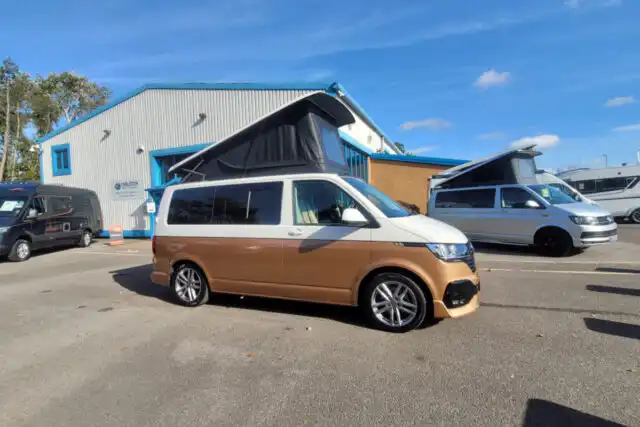
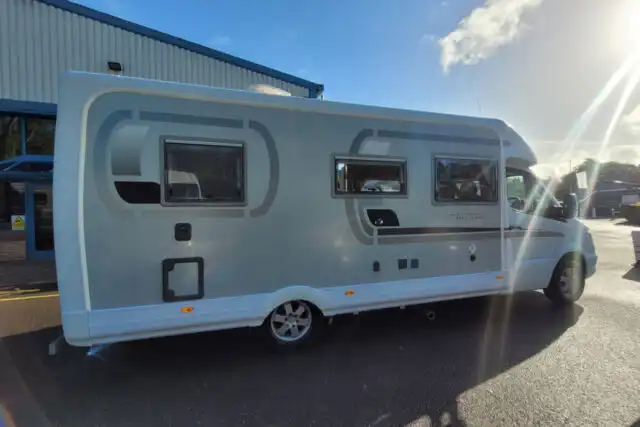
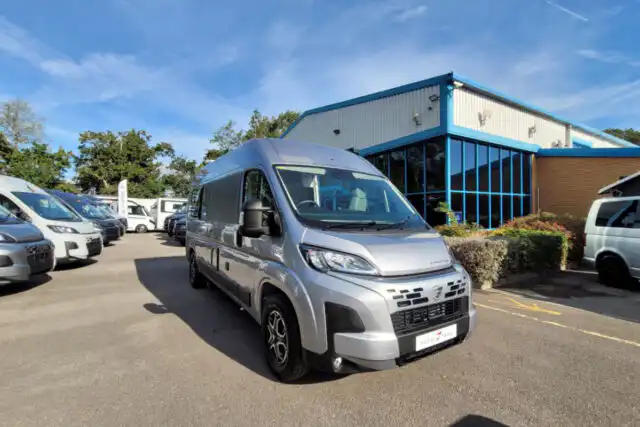
In many cases, the answer is yes, you can drive a motorhome with a car licence. If you hold a standard UK Category B driving licence, you can usually drive a motorhome with a Maximum Authorised Mass (MAM) of up to 3,500kg. This covers a large number of modern campervans and smaller motorhomes currently available on the market, making motorhome travel accessible to most drivers without the need for additional tests.
However, motorhome licence rules become more complicated when larger or heavier vehicles are involved. Drivers who passed their test before 1 January 1997 may automatically have additional entitlements allowing them to drive heavier motorhomes, while those who passed after this date may need to obtain a Category C1 licence to legally drive vehicles over 3,500kg. Understanding your motorhome driving licence entitlement is an important first step before choosing the right vehicle for your travels.
Can I Drive a Motorhome under 3,500kg?
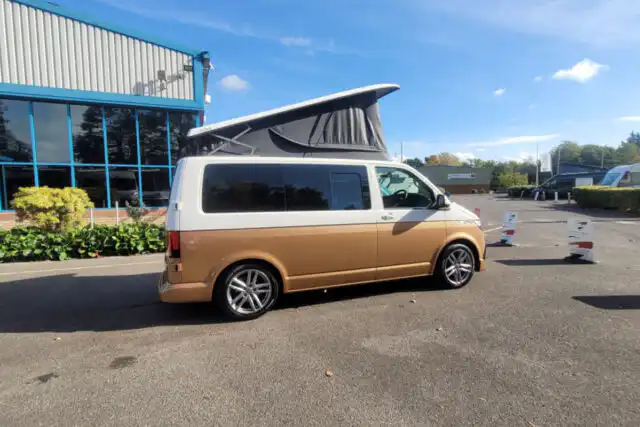
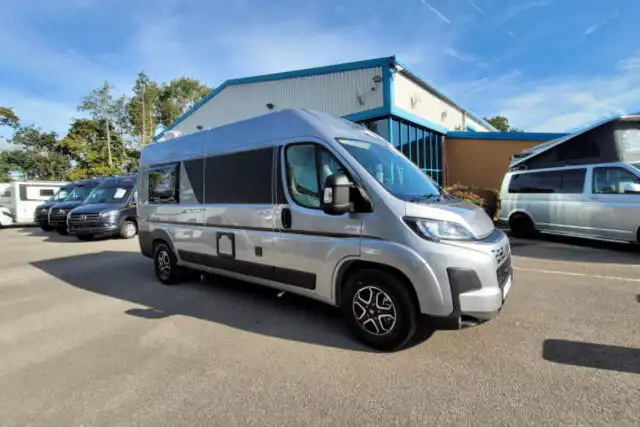
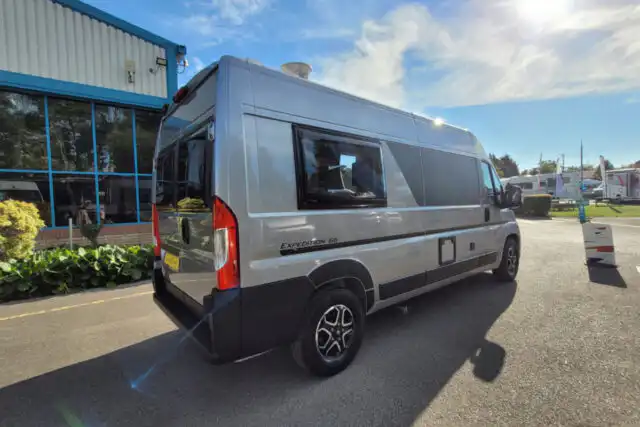
Yes, in most cases you can drive a motorhome under 3,500kg on a standard UK Category B car licence. This entitlement covers a wide range of vehicles, including many compact and mid-sized models that fall within the legal weight limit, meaning no additional driving tests are usually required. For most drivers, this makes getting into motorhome travel relatively simple, particularly when looking at lighter options available across both new motorhomes and used motorhomes.
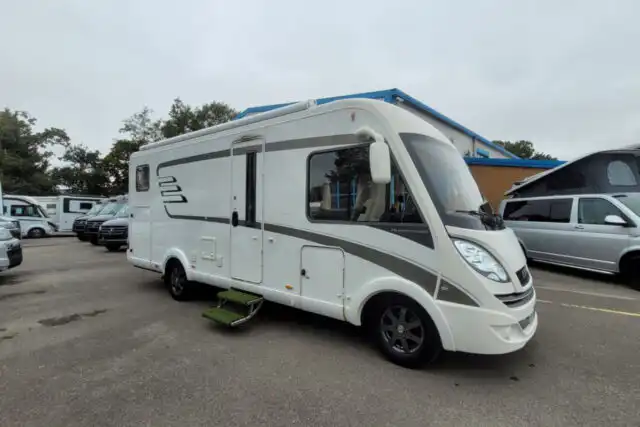
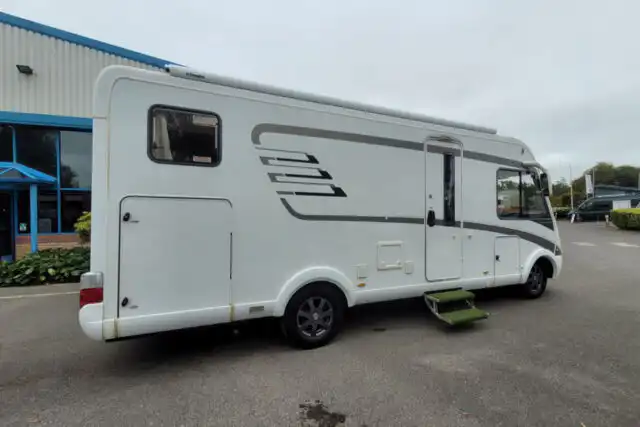
This weight category includes a broad selection of layouts, from compact 2 berth motorhomes through to larger 4 berth motorhomes designed for family travel, as well as some smaller coachbuilt motorhomes that are engineered to stay within the 3,500kg threshold. It’s also common to see lighter versions of A-class motorhomes within tightly controlled specifications, although these are less frequent. Even when a motorhome sits under the limit, it’s still essential to check the plated weight and available payload, as fuel, passengers, water, and equipment all reduce what you can legally carry in practice.
What Kind of Driver’s Licence is Required for Large Motorhomes?
Large motorhomes are not always covered by a standard car licence, so the exact entitlement you need depends mainly on the vehicle’s weight. In the UK, a Category B licence usually allows you to drive motorhomes up to 3,500kg MAM, but many larger models exceed this limit. Once you move beyond that threshold, additional licence entitlement is required before you can legally drive the vehicle on public roads.
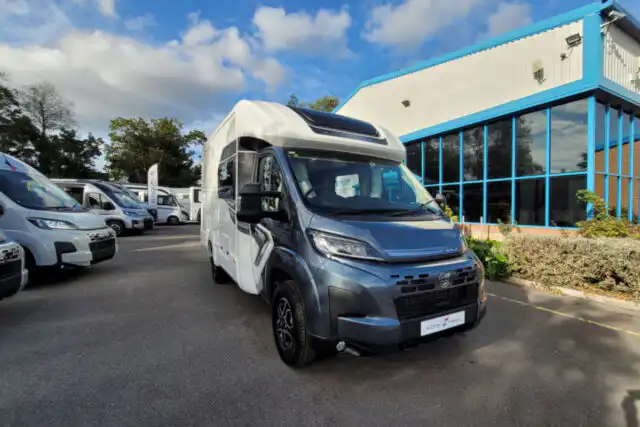
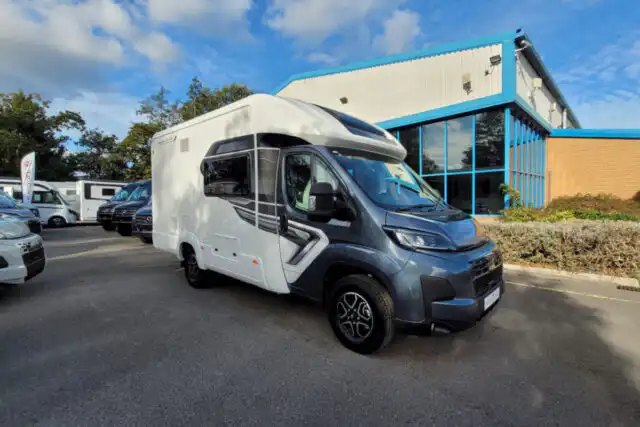
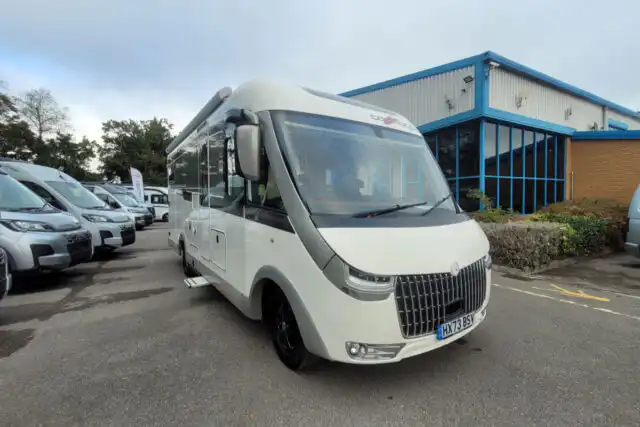
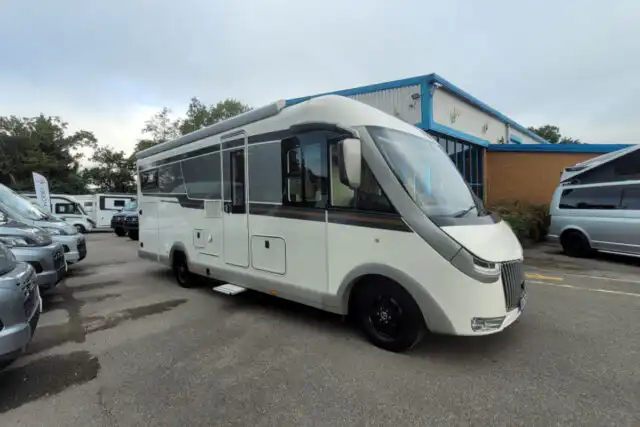
For heavier motorhomes, typically including many larger A-class motorhomes and extended coachbuilt motorhomes, you will usually need a Category C1 licence, which covers vehicles between 3,500kg and 7,500kg. This is particularly relevant for longer layouts, such as motorhomes over 6m in length, where extra weight is common due to larger living space, fixtures and payload capacity. Drivers who passed their test before 1 January 1997 may already have C1 entitlement included, but anyone who passed after this date will normally need to take an additional test to drive these larger vehicles legally.
How Do I Get a C1 Licence?
To obtain a Category C1 licence, you first need to apply for provisional entitlement through the DVLA and meet basic medical standards, including a doctor’s assessment to confirm you are fit to drive larger vehicles. Once approved, you can begin training with an approved driving instructor or specialist training provider, where you will learn how to handle heavier motorhomes, including manoeuvring, braking distances and road awareness. After completing your training, you must pass both a theory test and a practical driving test in a suitable vehicle before the entitlement is added to your licence.
What is the Heaviest Motorhome You Can Drive on a Car Licence?
In the UK, the heaviest motorhome you can drive on a standard car licence is generally up to 3,500kg MAM. This applies to a Category B licence and includes the total weight of the vehicle when fully loaded, not just its empty weight. As long as the motorhome stays at or below this limit, it can legally be driven without any additional licence entitlement, which is why many buyers focus on lighter models when starting out.
This restriction covers a wide range of popular options, including compact 2 berth motorhomes, family-friendly 4 berth motorhomes, and some lighter coachbuilt motorhomes designed specifically to stay within the weight threshold. However, it’s important to remember that payload matters just as much as base weight. Even if a motorhome is technically under 3,500kg, adding passengers, water, fuel and personal belongings can quickly push it over the legal limit, so careful loading is essential.
What’s the Difference Between a C and a C1 Licence?
A Category C1 licence allows you to drive medium to large vehicles with a MAM between 3,500kg and 7,500kg. In motorhome terms, this typically covers larger coachbuilt models and many A-class motorhomes that exceed the limits of a standard car licence. It’s the most common upgrade for drivers who want to move into heavier motorhomes without going all the way to full HGV entitlement.
A Category C licence goes further and covers vehicles over 7,500kg with no upper weight limit. This is generally intended for full commercial lorries rather than leisure motorhomes, although it technically includes the heaviest specialist builds. In practice, most private motorhome owners only ever need C1, as very few leisure vehicles exceed 7.5 tonnes. Both licences require medical clearance and formal testing, but C involves more extensive training due to the size and complexity of the vehicles involved.
How Long Does a C1 Test Take?
A Category C1 test in the UK is usually completed over the course of a single day, although the overall process leading up to it takes longer. The practical driving test itself typically lasts around 90 minutes, during which you will be assessed on vehicle safety checks, on-road driving, and manoeuvring exercises such as reversing and controlled positioning.
Before you reach the test stage, you will need to pass a theory test and complete suitable training with an approved instructor, which can take several days or weeks depending on your experience and availability. Some candidates also complete a short intensive course to prepare specifically for C1 driving, particularly those planning to drive larger motorhomes over 3,500kg regularly.
What Are the Limits on a C1 Licence?
A Category C1 licence in the UK allows you to drive vehicles with a MAM of over 3,500kg and up to 7,500kg. This makes it the key licence category for larger motorhomes, particularly heavier coachbuilt models and many A-class motorhomes that exceed standard car licence limits. It also allows you to tow a trailer up to 750kg, provided you stay within the overall weight restrictions of the vehicle combination.
Beyond weight, the main limitation is that C1 does not automatically cover vehicles above 7,500kg, which would require a full Category C licence. You must also continue to meet medical standards set by the DVLA, which typically require periodic health checks to maintain entitlement. In practical terms, most leisure motorhomes sit comfortably within the C1 range, making it sufficient for the majority of larger private motorhome owners.
Can I Go Straight to a C1 Licence?
Yes, you can go straight to a Category C1 licence in the UK, provided you meet the eligibility requirements. You don’t need to hold a full car licence first, although most applicants already do. The minimum age is 18, and you must be able to meet the DVLA medical standards, which includes completing a medical examination to confirm you are fit to drive vehicles between 3,500kg and 7,500kg.
Once your provisional C1 entitlement is granted, you can begin training and then take the required theory and practical tests. This route is commonly chosen by people who already know they want to drive larger motorhomes or work in roles involving heavier vehicles, as it allows you to move directly into the correct licence category without progressing through other stages first.
Understanding motorhome driving licence rules is an essential step before choosing the right vehicle, particularly as weight limits directly affect what you can legally drive. A standard UK car licence is sufficient for most motorhomes up to 3,500kg, which covers a wide range of compact and mid-sized options, but larger models quickly move into higher licence categories.
For those looking at heavier vehicles, a C1 licence opens access to significantly larger motorhomes, typically up to 7,500kg, which includes many spacious coachbuilt and A-class motorhomes. In most cases, this is the highest licence category needed for private motorhome ownership. By checking vehicle weight carefully and understanding your licence entitlement in advance, you can choose a motorhome that suits both your travel plans and legal requirements without unexpected limitations.