- Motorhome insurance at a glance
- Motorhome insurance requirements
- How much is motorhome insurance in the UK?
- Can I drive a motorhome on my car insurance?
- Understanding motorhome insurance cover
- Can you insure a motorhome for 6 months?
- European cover and breakdown assistance
- Choosing cover and managing the cost
- Arranging motorhome insurance through Chelston
- Motorhome insurance FAQs
Blog
The ultimate guide to motorhome insurance
By Wayne Kavanagh Posted: 17/10/24 (Last updated 1 week ago)
Contents
Before you drive a motorhome, you need insurance that covers the vehicle, its drivers and how you plan to use it. The right policy can also protect it while it is parked or stored.
This motorhome insurance guide explains the UK rules, what affects premiums and how to compare cover.
Motorhome insurance at a glance
- You need at least third-party insurance to drive on UK roads.
- Your car policy does not automatically cover a motorhome.
- In Great Britain, you usually need insurance even when the vehicle is off the road, unless you declare it SORN.
- Cover for belongings, trips abroad and breakdowns varies between policies.
Motorhome insurance requirements
Third-party insurance is the legal minimum. It covers injury or damage you cause to other people, vehicles or property. It does not pay to repair your own motorhome.
The policy must cover the vehicle, the driver and how you use it. Read the government’s official vehicle insurance guidance for more details.
Cover while your motorhome is off the road
In Great Britain, you normally need to keep your motorhome insured unless it is off public roads and declared SORN. SORN stands for Statutory Off Road Notification. Parking on your driveway over winter is not enough on its own.
Even with a SORN, your motorhome could suffer theft, fire or damage. Ask your insurer about storage cover before you cancel a policy. Your finance agreement may also require you to keep it insured.
Vehicle tax is a separate cost. To learn more about motorhome tax, please read our motorhome vehicle tax guide.
How much is motorhome insurance in the UK?
Your price depends on your motorhome, who drives it and the cover you need. Get a quote for the model you plan to buy before setting your budget.
As checked on 1 October 2026, Safeguard advertised cover from £440. It said 10% of new customers paid this price between 1 December 2025 and 31 May 2026. The figure excludes optional extras and premium finance.
This is one provider’s example, not a UK average. Your quote could be higher or lower.
What affects the price
Insurers look at several details when setting your premium, which is the price you pay for cover:
- The vehicle: its model, age, value and repair costs.
- The drivers: their age, driving record and past claims.
- Storage and security: where you keep it and any alarms or trackers.
- Mileage and use: how far you drive and whether you use it for holidays, work or full-time living.
- The policy: its benefits, extras and excess, which is your share of a claim.
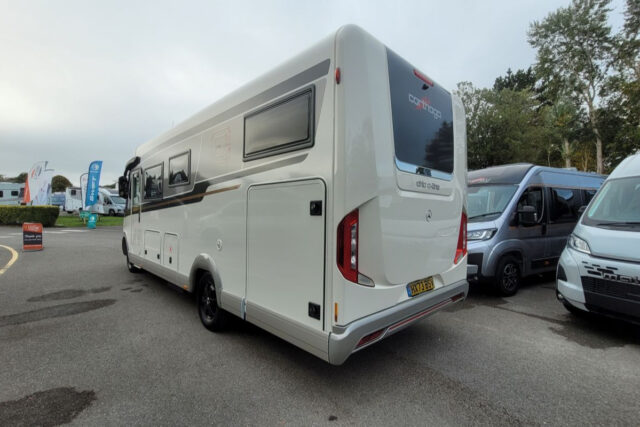
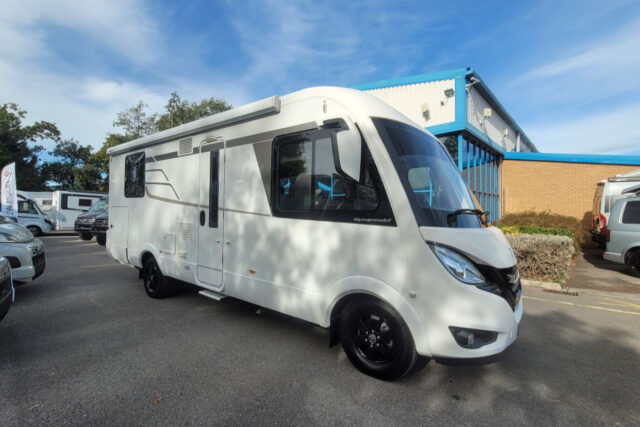
For an A-class or high-value motorhome, check how its value will be assessed and review the windscreen cover. A large windscreen can be costly to replace, so check the payout limit, excess and choice of repairer.
Can I drive a motorhome on my car insurance?
Your car insurance does not automatically cover you to drive a motorhome, even if it is comprehensive.
A “driving other cars” extension has its own rules. It may exclude motorhomes or provide less cover than you expect.
Before borrowing or collecting a motorhome, ask the insurer to confirm cover for that vehicle and each driver. You may need to become a named driver on the owner’s policy or take out separate cover. Check the start time before you drive away.
Check your driving licence too
Insurance and driving licence rules are separate. For petrol or diesel motorhomes in Great Britain, the usual licence categories are:
Maximum authorised mass
Licence category
Up to 3,500kg
B
Over 3,500kg to 7,500kg
C1 or a suitable higher category
Over 7,500kg
C
Maximum authorised mass, or MAM, is the most the vehicle can legally weigh when loaded.
Check your licence for any limits, such as only being allowed to drive automatics. Rules can differ for zero-emission vehicles and in Northern Ireland. See the official guidance on driving a motorhome and licence categories.
Understanding motorhome insurance cover
What types of cover are available?
Just like with car insurance, motorhome insurance generally comes in three levels.
- Third party only: This is the minimum level of cover required by UK law. This type of insurance covers damage to other vehicles and property, but it does not cover damage to your own motorhome.
- Third party, fire and theft: In addition to what is covered by third-party cover, this also protects your motorhome in case of theft or fire damage.
- Comprehensive: Sometimes referred to as ‘fully comp’, this type of insurance covers damage to your motorhome plus third-party damage, theft and fire. Comprehensive policies may also include additional benefits like breakdown cover, European cover and protection for personal belongings in the motorhome.
Does motorhome insurance include breakdown?
Breakdown cover is not always included in insurance policies for motorhomes, but it’s often available to ‘bolt on’ to your core policy as an optional extra. Since motorhomes are larger and more complex than cars, it’s worth making sure that your breakdown cover is suitable for the vehicle’s size and can provide the correct level of assistance (including recovery and towing to a suitable place for repair).
Is European cover included?
Many UK motorhome owners enjoy travelling further afield than the UK – in other words, across Europe. Most motorhome insurers have an option for European cover, and this usually extends your policy to cover driving in the EU plus some additional countries. It is always worth checking whether there are restrictions on the number of days you can spend abroad and whether breakdown is included.
Can I live full-time in my motorhome?
If you’re planning to live in your motorhome full-time, you’ll need a specialist insurance policy for more comprehensive protection. Standard motorhome insurance assumes that the vehicle is only used for holidays or occasional travel. Living in your motorhome significantly increases risks such as theft or damage to personal possessions.
Getting the right motorhome insurance is a crucial part of owning and enjoying your vehicle, as it provides the reassurance that you’re protected (both on the road and while parked). The cost of insurance depends on the factors we’ve described in this edition of our blog – and you can discuss any of them them further with Safeguard, available through Chelston.
Image Credit: – stock.adobe.com
Can you insure a motorhome for 6 months?
Six-month cover depends on the provider and your circumstances. It will not always cost half the price of an annual policy.
Short-term cover may suit a borrowed motorhome or a brief trip. For example, Dayinsure offers temporary motorhome insurance from one hour to 30 days, subject to its rules.
If you need six months, give the insurer your exact dates and explain whether you own or borrow the vehicle. Ask about the full cost and what happens when cover ends.
Cancelling an annual policy partway through may involve fees, and you may not get half your money back. Paying monthly does not make an annual policy a month-to-month contract.
For the rest of the year, plan for storage cover and the SORN rules explained above.
European cover and breakdown assistance
Insurance abroad and breakdown cover are separate benefits. Check both before you travel.
Cover for European trips
UK vehicle insurance provides minimum third-party cover in the EU and certain other European countries. Your full UK cover may not apply abroad.
Ask your insurer:
- Are all the countries on my route covered?
- Does theft and accidental damage cover continue abroad?
- Is there a limit on each trip or the total days away?
- Do I need to tell you before I travel?
You will also need to check your travel insurance for medical costs and other personal risks.
Breakdown and recovery
Breakdown cover may come with your policy or cost extra. Check that it accepts your motorhome’s weight, size and age.
Ask where the service will take your motorhome if a roadside repair is not possible. Check what happens to passengers and whether overseas recovery or accommodation is included.
Breakdown assistance does not always pay for replacement parts or garage repairs. Save the emergency numbers before you leave.
Choosing cover and managing the cost
Compare policies using the same details and level of cover. Look at what you would receive after a claim as well as the price.
Getting a motorhome insurance quote
Have these details ready:
- Registration, make, model, year and value.
- Each driver’s licence details, claims and relevant convictions.
- Expected annual mileage and where you keep the vehicle.
- Security devices, changes to the vehicle and fitted extras.
- Planned use, overseas trips and time away.
A higher voluntary excess may lower the price, but make sure you could afford the total excess after a claim. Ask about discounts for approved security, limited mileage or your no-claims history. Use an honest mileage estimate.
Compare the total cost of paying upfront with monthly instalments. Check for extras that duplicate cover you already have, and ask how to get help with a claim.
Full-time living and business use
Tell the insurer if you plan to live in your motorhome, commute or use it for work. Standard holiday cover may not suit these uses.
For full-time motorhome insurance, explain your living plans and whether you keep a permanent UK home. A policy that allows long holidays does not always allow you to live in the vehicle all year.
Arranging motorhome insurance through Chelston
If you are buying from Chelston, our team can help confirm the vehicle details and fitted equipment you need for a quote. Contact us before collection so you have time to arrange cover.
We have teamed up with Safeguard to offer a route to motorhome and campervan insurance. Visit our motorhome insurance page to find out more and request a quote. The provider can confirm whether you qualify and which terms apply.
Motorhome insurance FAQs
Can I insure my car and motorhome together?
Some providers offer cover for more than one vehicle. Ask whether they accept motorhomes and cover your planned use. Your current car policy will not automatically include one.
Can I use my car’s no-claims discount?
Some insurers recognise your car’s no-claims history. Ask whether they transfer or match the discount, what proof they need and whether your car policy will be affected.
Do I need a tracker for motorhome insurance?
Your insurer may require one, especially for a high-value vehicle. Check which devices it accepts before buying. You may also need professional fitting and an active monitoring subscription.
Will home insurance cover belongings in my motorhome?
Some home policies cover belongings away from home. Check the limits and rules for items left in a vehicle, especially valuables. Ask both insurers if you are unsure which policy applies.
Do I need to tell my insurer about modifications?
Check with your insurer before changing the layout or fitted equipment. Changes may affect the price, insured value or cover. Get any revised terms confirmed before relying on the policy.
Is campervan insurance different from motorhome insurance?
Names and terms vary by provider. Describe the vehicle and any conversion in full so the insurer can offer suitable cover. Safeguard says it provides the same cover benefits for motorhomes and campervans, although prices can differ.