Blog
What to look for when buying a used motorhomes: A guide
By Wayne Kavanagh Posted: 19/12/23 (Last updated 1 year ago)Buying a used motorhome can be the perfect way to take your first step into the on the road lifestyle, as there are so many benefits including financial. You’ll stretch your budget by opting for second hand – in a nutshell because you’ll get a nearly new vehicle for just a fraction of the price, it will have had any teething problems ironed out and, most impressively of all, it will be of a higher specification than you could afford from new (assuming you are working to a budget).
While a pre-owned motorhome does typically make more economic sense, there are definitely nuances to navigate, and considerations to make, to ensure that spend doesn’t turn sour. In this edition of our blog we’ll weigh up the pros and cons…
Is opting for a pre-owned motorhome worth it?
Depreciation: New motorhomes often come with a higher price tag, as they are fresh from the factory and therefore unused and unblemished. In theory they are absolutely perfect, just as the manufacturer intended. The moment you drive one off the forecourt, it begins depreciating in value. Choosing a used motorhome means you can sidestep a substantial part of this initial depreciation. Models under three years old offer a good balance, allowing you to benefit from advanced specifications and up-to-date technology while minimising the impact of the motorhome’s early depreciation curve.
Teething problems: Buying a brand-new motorhome doesn’t actually guarantee a totally trouble-free experience. There can still be small issues to attend to. Some new models may encounter, for example, electrical problems or dampness. Warranties will cover these problems for new purchases, but opting for a slightly older motorhome means that the original owner will have addressed and resolved any teething problems. In other words, you’ll be able to enjoy a hassle-free experience.
Extras: When a brand new motorhome is sold, the buyer often ‘adds in’ the optional extras and packs that are available. These can include things like air conditioning, infotainment equipment, solar panels and awnings. Obviously these things come at an additional cost to the displayed purchase price. When you buy a pre-owned vehicle these added features will be included so you will be getting them without incurring that initial extra cost. It’s a good idea, of course, to ensure that all these extras function correctly before buying.
What should I look for when buying pre-owned?
In common with buying anything else pre-owned, you should look out for any potential drawbacks which will decrease the pleasure of the sale, or which may affect the cost. These include things like:
- Wear and tear
- Replacement or upgrade needs
- Unanticipated potential repairs
- Waiting time if after a specific model
The decision to opt for a pre-owned motorhome should involve consideration of the following things:
a) Type
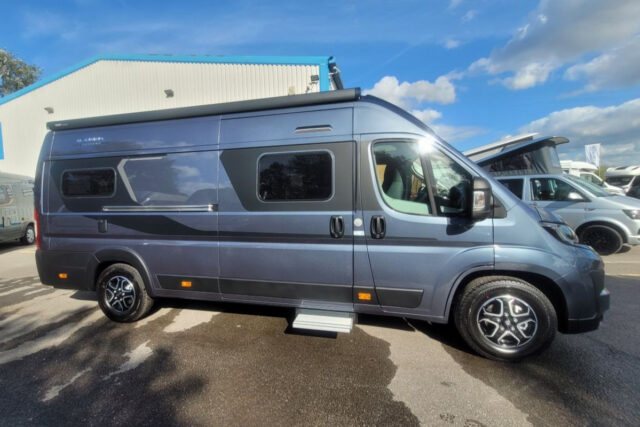
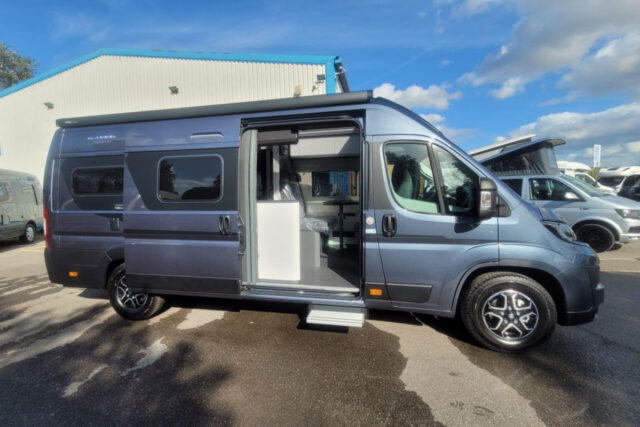
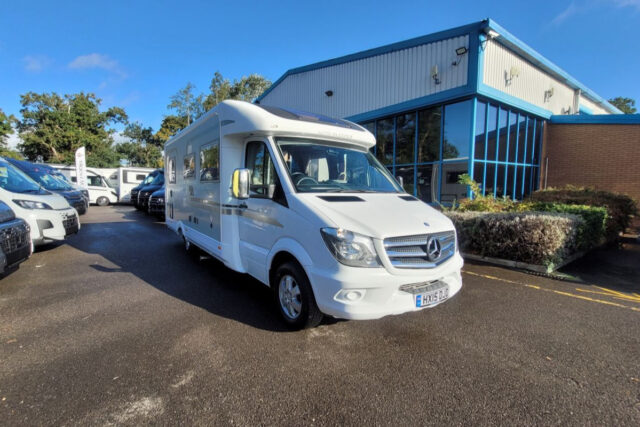
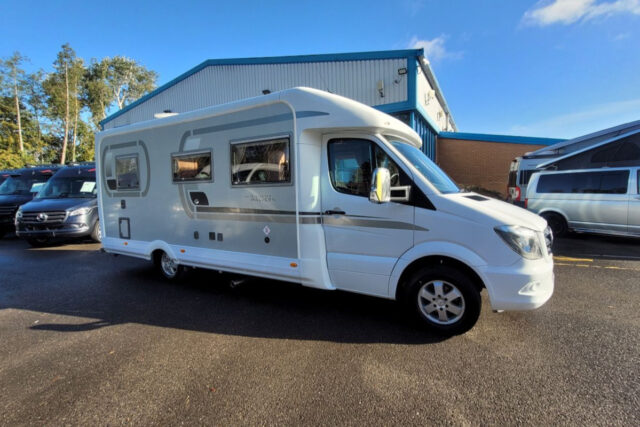
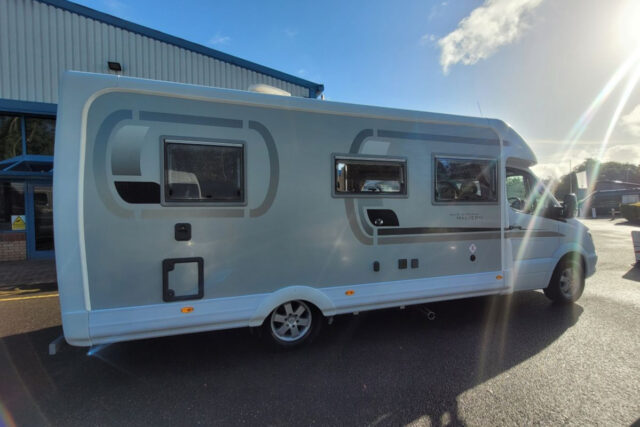
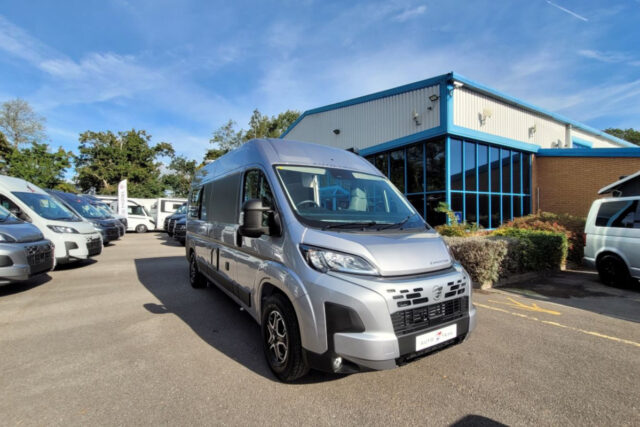
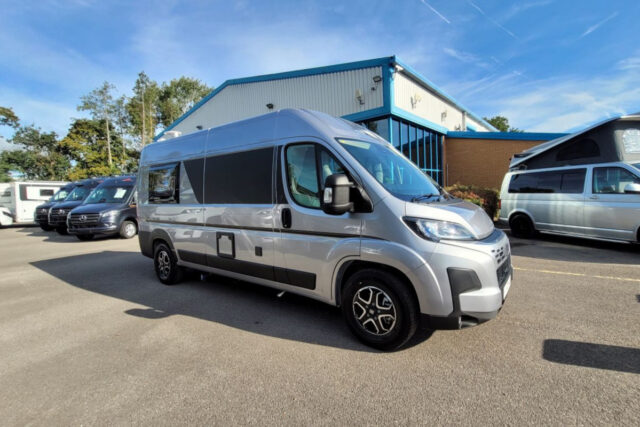
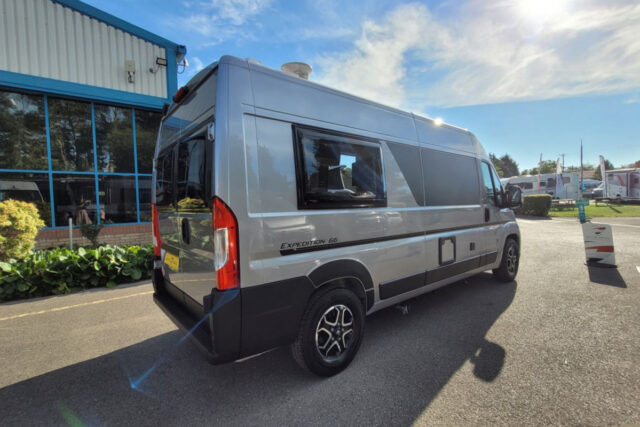
There is no one ‘fits all’ model size for motorhomes. There are diverse types which cater to a range of varied preferences. You may have a particular lifestyle in mind and so must find a vehicle which can fulfil it for you. Research, or speak to an expert about, the advantages of A-class motorhomes, Coachbuilt motorhomes or campervans. They will help you find the right vehicle for you, based on your needs regarding usage, passenger count, storage and even things like finance (insurance premiums etc). If it is possible to do so, renting a motorhome for a short period can provide valuable insights into your preferences.
b) Weight and payload
Considering the weight and payload of any potential motorhome is vital. Motorhomes typically adhere to strict weight specifications, and you must work these into your thinking. Heavier motorhomes can incur higher expenses for registration, road tax and fuel consumption. In addition, most standard-sized motorhomes, with a maximum authorised mass (MAM) of 3,500kg, can be driven on a regular licence. However, opting for a heavy high-end motorhome may mean that you have to undertake new testing to achieve a higher classification on your UK driving licence.
c) Budget
For first-time buyers, a relatively conservative budget is probably advisable. Retaining a portion for potential emergencies and later additions, once acclimated to the motorhome experience, is a prudent strategy.
d) Condition
It’s important to check out the condition of any potential vehicle. Although dealerships do tend to undertake meticulous inspections and correct some problems, it is imperative that you have a good look yourself too. Key areas to examine include the condition of the base vehicle, mechanical service history, potential water ingress issues, and the condition of furniture and cupboards, skylights, windows, etc. Check that the beds are not broken, that the toilet, shower and sinks work correctly, that the heating system is functioning as it should, and so on. Also check the exterior for signs of repair, tyre condition and verification of add-ons like solar panels, bike racks etc. A close inspection is essential.
e) Documents
Ensuring that all necessary paperwork is in good order before signing on the purchase. Check for warranty information, service history, purchase receipt with correct details and registration number, and that all instruction manuals for appliances are present and correct.
f) Test Drive
There’s only one real way to find out if a pre-owned motorhome is going to be a good fit for you, and that is to take it for a test drive. By doing this you will be able to make a thorough evaluation of performance, and have a chance to detect any unexpected noises which may indicate issues not previously known.
Buying a pre-owned motorhome can be a great way to get more for your money than you might otherwise have anticipated. At Chelston we have a fine selection of used motorhomes for sale – and you can find them by browsing our site or by visiting us at Chelston Motorhomes.